Growing a successful business in today’s digital-first economy requires much more than simply generating website traffic. While clicks can indicate interest, they do not automatically translate into leads, loyal customers, or long-term revenue. Sustainable growth comes from building meaningful customer relationships, creating valuable online experiences, and using data-driven marketing strategies that consistently support business objectives. Resolve Data helps businesses leverage modern digital marketing solutions to attract qualified audiences, improve customer engagement, and create measurable results that extend far beyond short-term traffic gains.
Many organizations invest heavily in digital advertising or social media campaigns expecting immediate returns. While these tactics can increase visibility, businesses that focus solely on traffic often overlook the customer journey that ultimately determines whether visitors become paying customers. Without a clear strategy for nurturing prospects, improving user experiences, and measuring meaningful outcomes, marketing budgets may produce impressive analytics but disappointing business results.
Today’s consumers interact with businesses across multiple digital channels, including search engines, websites, email, social media platforms, online reviews, and mobile applications. Every interaction influences purchasing decisions. Successful digital marketing integrates these touchpoints into a seamless customer experience that builds trust and encourages long-term loyalty.
Modern organizations also rely on digital transformation services to integrate advanced technologies, improve operational efficiency, and support marketing initiatives with reliable data, automation, and customer insights. By combining digital innovation with strategic marketing, businesses can create sustainable growth that continues long after the first click.
What Are Digital Marketing Services?
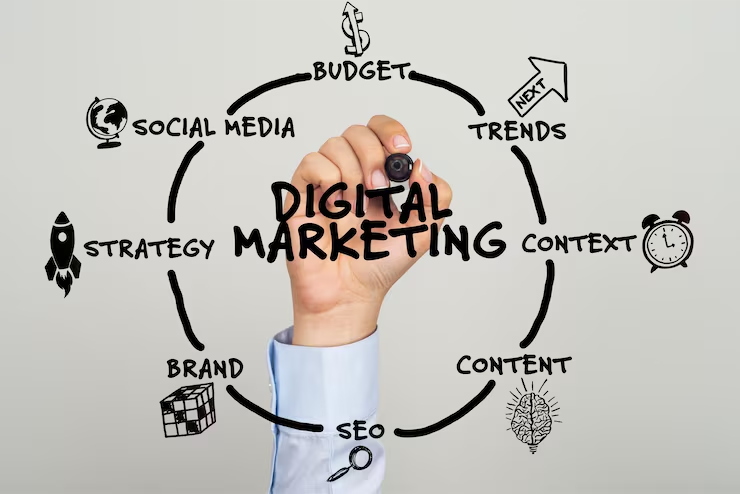
Digital marketing encompasses a wide range of online strategies designed to help businesses reach their target audience, increase brand awareness, generate leads, and improve customer retention. Rather than relying on a single tactic, successful digital marketing integrates multiple channels into one cohesive strategy.
- Digital marketing services include search engine optimization (SEO), pay-per-click (PPC) advertising, content marketing, email marketing, social media marketing, online reputation management, conversion rate optimization, and marketing analytics. Each service contributes to different stages of the customer journey while supporting overall business goals.
- Unlike traditional advertising, digital marketing provides measurable performance data that allows businesses to evaluate campaign effectiveness, optimize strategies, and improve return on investment continuously.
- The flexibility of digital marketing enables businesses of all sizes to compete effectively by reaching highly targeted audiences with personalized messaging and relevant content.
Why Clicks Alone Don’t Measure Marketing Success
Website traffic remains an important performance indicator, but successful businesses recognize that meaningful growth depends on much more than visitor numbers. Measuring only clicks can create a false sense of marketing success if those visitors never convert.
- High traffic volumes without corresponding increases in leads or sales often indicate poor audience targeting or ineffective customer engagement strategies. Businesses should focus on attracting qualified visitors who are genuinely interested in their products or services.
- Conversion rates, customer retention, lifetime value, and return on marketing investment provide a far more accurate picture of campaign performance than website visits alone.
- Businesses that prioritize customer relationships rather than traffic statistics are better positioned to achieve long-term profitability and sustainable growth.
- Effective marketing strategies evaluate the entire customer journey, identifying opportunities to improve engagement from the first interaction through repeat purchases and referrals.
Building a Strong Digital Foundation
Long-term marketing success depends on creating a strong digital foundation that supports customer engagement, brand credibility, and business growth. Businesses must invest in infrastructure before expecting consistent results.
- A professional, user-friendly website serves as the central hub for all digital marketing activities. Fast loading speeds, intuitive navigation, and mobile responsiveness significantly improve customer experiences.
- Search engine optimization increases online visibility by helping potential customers find businesses when searching for relevant products or services.
- Consistent branding across websites, social media, advertising, and email marketing strengthens recognition while building customer trust.
- Reliable analytics tools provide valuable insights into customer behavior, enabling businesses to refine marketing strategies based on measurable performance.
- Secure digital infrastructure protects customer data while enhancing confidence in online interactions and transactions.
Content Marketing Builds Long-Term Authority
Quality content remains one of the most effective ways to attract, educate, and retain customers. Rather than focusing solely on promotional messaging, businesses should create content that provides genuine value to their audience.
- Educational blog articles help answer customer questions while improving search engine visibility through valuable, relevant information.
- Videos, guides, case studies, and downloadable resources establish expertise while encouraging visitors to spend more time engaging with the brand.
- Consistently publishing useful content improves customer trust, increases organic traffic, and supports stronger long-term relationships.
- Valuable content also strengthens other marketing channels by providing resources that can be shared through email campaigns, social media, and digital advertising.
Search Engine Optimization Drives Sustainable Growth
Unlike paid advertising, search engine optimization generates long-term visibility that continues delivering value over time. Businesses investing in SEO create a foundation for sustainable customer acquisition.
- Keyword optimization helps businesses appear for relevant customer searches while improving website visibility in search engine results.
- Technical SEO ensures websites meet performance standards that improve user experiences and search rankings.
- High-quality backlinks and authoritative content strengthen website credibility, supporting better search visibility over time.
- Local SEO enables businesses to connect with nearby customers searching for products and services within specific geographic areas.
- Ongoing SEO improvements create lasting marketing value by generating consistent organic traffic without relying exclusively on paid advertising.
Data and Analytics Improve Decision-Making
Modern marketing relies heavily on data rather than assumptions. Analytics help businesses understand customer behavior, evaluate campaign performance, and identify opportunities for continuous improvement.
- Website analytics reveal how visitors interact with online content, highlighting strengths and areas requiring optimization.
- Campaign reporting measures advertising performance, conversion rates, customer acquisition costs, and return on investment.
- Customer behavior analysis helps businesses personalize marketing efforts while improving user experiences throughout the buying journey.
- Regular performance reviews enable organizations to allocate marketing budgets more effectively while eliminating underperforming activities.
The Role of Technology in Modern Marketing
Technology continues to transform how businesses connect with customers. Integrating marketing with reliable IT infrastructure improves operational efficiency while supporting better customer experiences.
- Businesses working with a trusted managed it service provider benefit from secure systems, reliable data management, cloud solutions, and technology support that strengthens digital marketing performance.
- Marketing automation platforms streamline repetitive tasks such as email campaigns, lead nurturing, customer segmentation, and performance reporting.
- Customer relationship management (CRM) systems centralize customer information, enabling personalized communication across multiple digital channels.
- Advanced technologies such as artificial intelligence and predictive analytics provide deeper customer insights that support smarter marketing decisions.
Creating a Customer-Centric Digital Strategy
Sustainable business growth depends on understanding customer needs and delivering experiences that encourage trust, loyalty, and long-term engagement. Customer-centric marketing places the audience at the center of every strategic decision.
- Businesses should develop detailed customer personas that reflect audience demographics, preferences, challenges, and purchasing behaviors.
- Personalized communication improves engagement by delivering relevant messages based on customer interests and previous interactions.
- Consistent customer experiences across websites, email, social media, and customer service strengthen satisfaction while increasing brand loyalty.
- Gathering customer feedback regularly helps businesses identify opportunities for improvement while demonstrating commitment to exceptional service.
- Long-term relationships generate repeat business, referrals, and stronger brand advocacy that supports sustainable growth.
Best Practices for Sustainable Digital Marketing Success
Achieving sustainable growth requires ongoing commitment rather than one-time marketing campaigns. Businesses should continuously refine strategies as markets, technologies, and customer expectations evolve.
- Establish measurable marketing goals aligned with overall business objectives before launching new campaigns.
- Maintain consistency in branding, messaging, and customer experiences across every digital platform.
- Review campaign performance regularly and make data-driven improvements based on measurable outcomes.
- Invest in employee training to ensure marketing teams remain informed about emerging technologies and industry best practices.
- Continuously adapt marketing strategies to changing customer behavior, search engine algorithms, and competitive market conditions.
Conclusion
Clicks may bring visitors to your website, but sustainable business growth depends on much more than traffic alone. Businesses that invest in strategic digital marketing, valuable content, search engine optimization, customer engagement, analytics, and technology integration create stronger customer relationships and long-term profitability. By combining marketing expertise with innovative digital solutions, Resolve Data helps organizations build marketing strategies that generate measurable business results, improve customer experiences, and support continuous growth in an increasingly competitive digital landscape.
Contact us today to learn how our digital marketing services can help your business move beyond clicks, attract qualified customers, strengthen your online presence, and achieve sustainable long-term growth.
Frequently Asked Questions (FAQs)
Digital marketing services include SEO, PPC advertising, content marketing, email marketing, social media marketing, website optimization, analytics, and other online strategies that help businesses attract, engage, and convert customers.
Clicks only measure website visits. True marketing success depends on conversions, customer engagement, lead generation, revenue growth, customer retention, and overall return on investment.
They help businesses attract qualified audiences, improve customer experiences, build long-term relationships, increase brand visibility, generate consistent leads, and optimize marketing performance using measurable data.
SEO is essential because it improves organic search visibility, attracts qualified traffic, builds brand authority, and delivers long-term marketing value without relying solely on paid advertising.
Integrating technology such as CRM systems, marketing automation, analytics, and managed IT services improves operational efficiency, enhances customer experiences, strengthens data security, and supports more informed marketing decisions.
Recent Posts
-
 Beyond Clicks: How Digital Marketing Services Create Sustainable Business Growth
 -
Professional Website Development Services for Small Businesses
-
Digital Transformation Explained: How to Implement It Successfully
-
Why Secure Data Destruction Is Critical for Businesses
-
Importance of Data Security During IT Asset Disposal