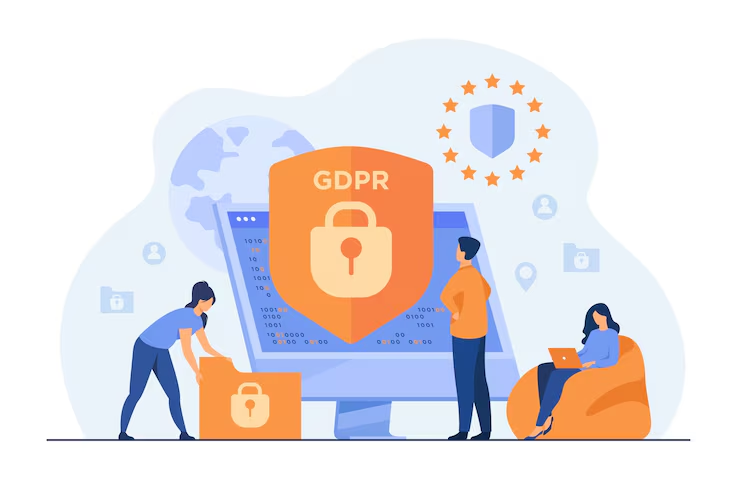
In a digitally driven world, businesses depend heavily on IT infrastructure to store, process, and manage sensitive information. However, what many organizations overlook is the security risk that emerges when these IT assets reach their end of life. Improper disposal can expose confidential data, leading to serious financial and reputational damage. Companies like Resolve Data emphasize that secure IT asset disposal is not optional but a critical component of modern cybersecurity strategy. This blog explores why data security during IT asset disposal matters, the risks involved, and how organizations can implement secure and compliant processes.
Importance of Data Security in IT Asset Disposal
Data security during IT asset disposal ensures that no sensitive information remains accessible once an IT asset is retired. Whether it is a laptop, server, or external storage device, every asset can contain recoverable data if not properly handled.
Before understanding the technical processes, it is important to recognize why this stage is so crucial:
- Prevents unauthorized access to confidential data
- Protects customer, employee, and business records
- Reduces the risk of identity theft and fraud
- Maintains trust with clients and stakeholders
- Ensures compliance with data protection regulations
When organizations treat disposal as part of the cybersecurity lifecycle, they significantly reduce long-term risks.
Risks Associated with Poor IT Asset Disposal Practices
Improper disposal of IT assets is one of the most overlooked cybersecurity threats in organizations. Devices that are simply discarded, resold, or reused without proper sanitization can still contain recoverable data.
Key risks include:
- Exposure of sensitive corporate data
- Financial fraud and unauthorized transactions
- Leakage of intellectual property and trade secrets
- Regulatory fines due to non-compliance
- Permanent reputational damage
These risks highlight the importance of structured disposal policies that ensure data is completely destroyed before assets leave organizational control.
Role of Professional Services in Secure IT Asset Disposal
Organizations often lack the specialized tools and expertise required for secure IT asset disposal. This is where professional services play a critical role in ensuring data is permanently erased and assets are disposed of responsibly.
These services typically provide:
- Certified data destruction techniques
- Secure transportation and chain-of-custody tracking
- Environmentally responsible recycling practices
- Detailed audit reports for compliance
- Reduced internal IT workload
Businesses often rely on trusted it security solution providers to ensure every stage of IT asset disposal is handled with advanced security controls and industry best practices. These providers help minimize risks while maintaining regulatory compliance.
Common Threats During IT Asset Disposal
IT asset disposal is exposed to several hidden threats that organizations often underestimate. Even when systems are decommissioned, data remnants can still be exploited.
Some of the most common threats include:
- Data recovery using forensic tools
- Theft of discarded physical devices
- Improper resale of IT equipment
- Cloud-based data remnants left unsecured
- Insider threats during disposal handling
Understanding these threats helps organizations design stronger disposal strategies that eliminate vulnerabilities before they are exploited.
Secure Methods of Data Destruction
There are multiple methods used to ensure complete data destruction during IT asset disposal. Each method is selected based on the sensitivity of data and type of storage device.
Common secure methods include:
- Data Wiping: Overwriting data multiple times to make recovery impossible
- Degaussing: Using magnetic fields to destroy data on magnetic storage
- Physical Destruction: Crushing or shredding hard drives and storage devices
- Encryption Before Disposal: Ensuring data is unreadable even if accessed
- Certified Erasure Tools: Using industry-approved software for sanitization
These methods ensure that no residual data remains accessible after disposal.
Compliance and Regulatory Requirements
Compliance plays a major role in IT asset disposal, especially for organizations handling sensitive customer or financial data. Governments and regulatory bodies enforce strict rules to ensure responsible data handling.
Key compliance considerations include:
- Adherence to GDPR, HIPAA, and local data protection laws
- Secure disposal of personally identifiable information (PII)
- Proper documentation of destruction processes
- Third-party certification for audits
- Regular internal compliance checks
Failure to meet these requirements can result in severe penalties and legal consequences.
IT Asset Lifecycle and Security Integration
A secure IT asset disposal strategy begins long before the actual disposal stage. It is part of a broader IT asset lifecycle management approach that ensures security at every phase.
When integrated properly, lifecycle management provides:
- Full visibility of IT assets from procurement to disposal
- Stronger security controls at each stage
- Reduced risk of unauthorized access to retired devices
- Better planning for upgrades and replacements
- Streamlined disposal processes
Organizations that adopt IT management services gain better control over their entire IT infrastructure, ensuring that security is maintained throughout the lifecycle of every asset.
Data Security in Cloud and Hybrid Environments
Modern IT environments are no longer limited to physical hardware. Cloud and hybrid infrastructures also require proper data disposal strategies when services are discontinued or migrated.
Key considerations include:
- Secure deletion of cloud-stored backups
- Proper decommissioning of virtual machines
- Removal of redundant cloud snapshots
- Ensuring third-party vendors erase stored data
- Verification of data destruction certificates
Cloud disposal is often overlooked, making it a critical part of modern IT security strategies.
Environmental Impact of IT Asset Disposal
Beyond security, IT asset disposal also has significant environmental implications. Electronic waste continues to grow globally, making responsible disposal more important than ever.
Benefits of sustainable disposal include:
- Reduced electronic waste in landfills
- Safe recycling of valuable components
- Lower carbon footprint for organizations
- Improved corporate social responsibility (CSR)
- Recovery of usable materials for reuse
Organizations that combine security with sustainability gain both operational and reputational advantages.
Best Practices for Secure IT Asset Disposal
To ensure complete data protection, organizations should follow structured best practices during IT asset disposal.
Recommended practices include:
- Maintain a detailed inventory of IT assets
- Implement formal disposal policies
- Use certified data destruction tools and services
- Train employees on disposal security protocols
- Keep audit trails for compliance purposes
- Verify destruction certificates from vendors
These steps significantly reduce the risk of data exposure.
Real-World Industry Challenges and Examples
Many organizations across industries have faced data breaches due to improper IT asset disposal. In several cases, discarded hard drives containing sensitive financial or customer data were recovered and exploited.
Common industry challenges include:
- Lack of standardized disposal procedures
- Budget constraints leading to improper methods
- Poor awareness of data recovery techniques
- Outsourcing without proper vendor verification
These challenges emphasize the need for structured and secure disposal frameworks.
Common Mistakes in IT Asset Disposal
Despite awareness, many organizations still make critical mistakes during IT asset disposal.
Some of the most common mistakes include:
- Simply deleting files instead of securely wiping data
- Selling old devices without sanitization
- Ignoring cloud and virtual asset disposal
- Lack of documentation for compliance audits
- Not verifying third-party disposal vendors
Avoiding these mistakes is essential to maintaining strong data security.
Future Trends in IT Asset Disposal Security
The future of IT asset disposal is evolving with advancements in automation, AI, and cybersecurity technologies.
Emerging trends include:
- AI-based data destruction verification systems
- Blockchain-based asset tracking
- Automated compliance reporting tools
- Zero-trust disposal frameworks
- Advanced encryption-at-rest strategies
These innovations will make IT asset disposal more secure, transparent, and efficient.
Conclusion
Secure IT asset disposal is a critical part of any organization’s cybersecurity and data governance strategy. As data volumes continue to grow, ensuring that sensitive information is completely destroyed at the end of an asset’s lifecycle becomes even more important. Partnering with experts like Resolve Data helps organizations implement secure, compliant, and environmentally responsible disposal processes that protect both data and reputation.
If your organization is planning secure IT asset disposal or needs expert assistance, take the next step today.
👉 contact us for professional guidance and tailored solutions.
FAQs
IT asset disposal is the process of safely retiring old IT equipment while ensuring all stored data is completely destroyed.
Because discarded devices may still contain recoverable sensitive data that can be exploited if not properly erased.
Data wiping, degaussing, encryption, and physical destruction are commonly used secure methods.
Yes, cloud data must also be securely deleted or migrated before decommissioning services.
Improper disposal can lead to data breaches, financial losses, legal penalties, and reputational damage.
Recent Posts
-
 Successful Software Starts with the Right Implementation Strategy
 -
The Future Starts Now: How Digital Transformation Services Modernize Your Business
-
Modern IT Services Every Growing Business Should Have in Place
-
Beyond Clicks: How Digital Marketing Services Create Sustainable Business Growth
-
Professional Website Development Services for Small Businesses